Why Mice Move Into Overland Park Homes Every Fall
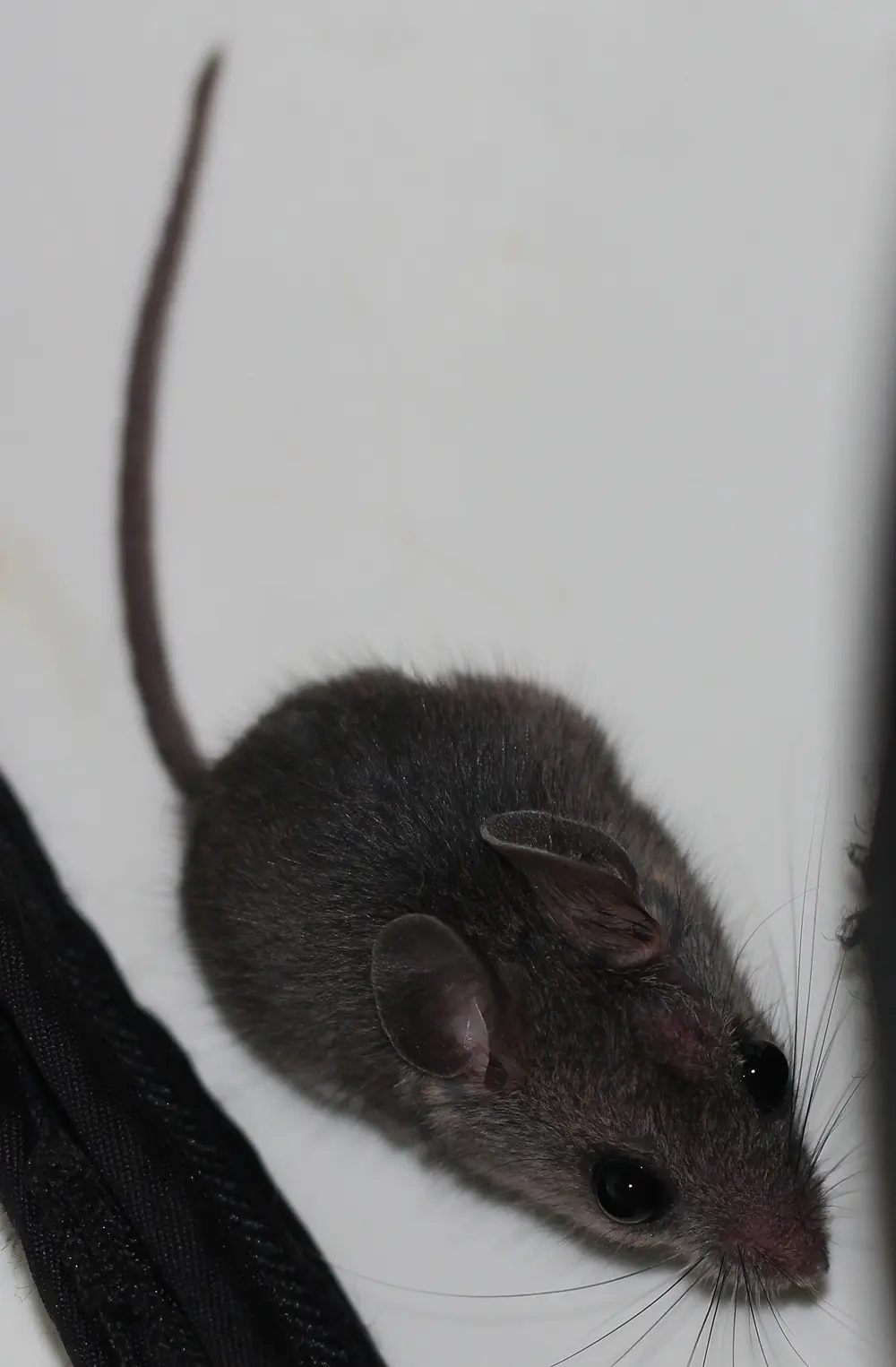
It happens like clockwork. Sometime in October, usually right after the first chilly night, somebody in the house hears a soft scratching in the ceiling. A week later there are droppings in the pantry. Welcome to mouse season in Overland Park.
The reason isn't complicated. The nights get cold, the food outside runs low, and there are more mice around than at any other point in the year. Your house leaks warm air through small gaps, and they follow it in. Close those gaps before October and deal with whatever's already inside, and most of the problem goes away.
Where Mice Spend July
In summer, mice don't need your house. Field mice live in tall grass, garden beds, greenbelts and along the wooded banks of Indian Creek and Tomahawk Creek. House mice hang around sheds, garages, woodpiles and under decks. Food is everywhere: seeds, bugs, spilled bird seed, the dog's bowl on the patio. Lawns near those edges also host voles, covered on the vole and field mouse page.
Mice breed right through the warm months, so by early fall there are a lot more of them than there were in April. Then the weather turns.
What Changes When the Nights Hit 40
Kansas City falls swing fast. A warm September afternoon can turn into a 40-degree night by the middle of October. Seed heads dry up, the fields out south get harvested and the leaf cover thins. Mice need warmth and steady food to get through winter, and your house has both. Homes next to open fields on the newer edges of Olathe feel it first.
They follow warm air. Heat leaking out around a dryer vent, a garage door that doesn't seal at the corners, a crack at the sill plate: to a mouse, that's a sign on the door. A house mouse can get through an opening about the size of a dime. Once inside, they head for quiet, warm, cluttered places like the furnace room, the storage space under the basement stairs, attic insulation and the back of the kitchen cabinets.
Which Overland Park Houses Get Hit First
North OP's older ranches and split-levels have had decades to settle, which leaves gaps at the foundation and around old utility lines. The lower level of a split-level sits close to the ground and usually has the laundry and the furnace. Mice love it. Older homes in north OP has more on those houses, and the post-war ranches and Cape Cods in Prairie Village run about the same.
South OP homes are newer but often back onto open land, ponds or greenbelts. The nearest warm building for every field mouse in that strip is your garage, and the garage with seed or dog food in it is the most common first stop. The newer Blue Valley subdivisions see this every year.
Hearing something in the walls? Call (913) 246-4835
Check the Garage Before the Kitchen
Most people hear mice before they see them: light scratching or quick running in the ceiling or walls after dark. Then the droppings, small and dark, about the size of a grain of rice, in drawers, along baseboards, behind the stove. Chewed cereal boxes and bird seed bags give them away too. Check the garage first, though. Droppings on the shelves or behind the freezer show up out there before they show up in the kitchen, and nesting in the car's air filter box means they've been around a while. Mice in the garage and shed covers that side, and if you find droppings up in the attic, see attic cleanup.
A Late-August Checklist
The best time to get ahead of it is August and early September, before the push starts. Most of this is a Saturday morning with a flashlight:
- Walk the outside of the house and look low at pipes, vents and garage door corners
- Replace worn garage door bottom seals and weatherstripping
- Move firewood a few feet from the house and up off the ground
- Store bird seed, grass seed and pet food in metal cans with lids
- Trim shrubs and ground cover back from the foundation
- Rake up spilled seed under the feeders
If They Beat You to It
Snap traps along the walls where you see droppings will catch some. If bait is used, it belongs in locked, tamper-resistant stations, never loose on the floor or tossed behind the appliances. For droppings, wear gloves, spray with disinfectant until wet, wait a few minutes and wipe up with paper towels. Don't sweep or vacuum them dry.
If mice keep coming back, the gaps are still open. That's when it makes sense to call and have someone trap what's inside and find the entry points and seal them. A cat might catch a few, but it won't close a single gap.
Questions We Get
Do the mice leave on their own in spring?
Some move back outside, but plenty stay as long as there's food and shelter. A house with mice in January usually has them in April too.
Do those plug-in ultrasonic things work?
Results are mixed at best. Sealing and trapping are what the pros rely on.